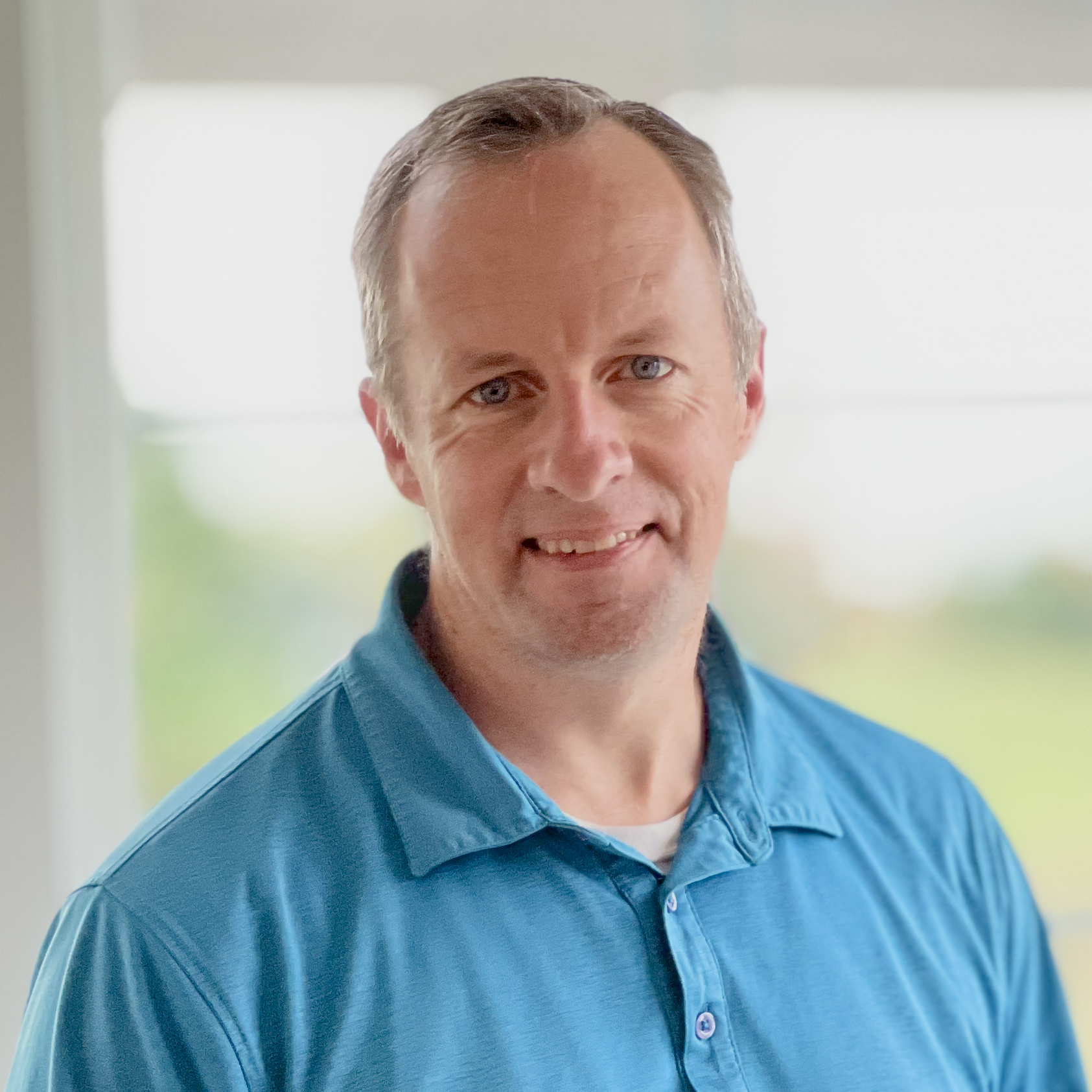
Eric Kort MD
Founder, Voisee
Physician, researcher, and software engineer — and son who watched a parent lose the ability to use the devices that were supposed to keep us close.
Watching someone fade from reach
My mother was sharp, curious, and deeply connected to our family for most of her life. Then, gradually, the world of devices that everyone else navigated effortlessly became a source of frustration and confusion for her. A smartphone that had once seemed manageable became bewildering. Video calls that should have brought us together became ordeals — for her and for us.
What made it harder was the sadness of watching her withdraw from something all of us genuinely wanted: connection. We wanted to see eachother's faces, hear eachother's voices, and share the moments of our lives. Big moment, small moments. Milestones and ordinary check-ins that make up a life shared across distance. But instead of making it possible, available technology became a barrier instead of a bridge.
Helping her navigate a video call started to feel more like working for IT support than being a son or daughter.And no matter how many times we walked her through the steps, the next call was just as difficult. The problem wasn't her. It was the design of everything around her.
The existing options weren't the answer
I looked hard for a solution. The market offers "smart displays", all marketed, in one way or another, as devices for staying connected with family. I tried them. I read the reviews from other caregivers. I tested configurations.
None of them solved the core problem. They all still required the recipient to do something — tap a button, accept a call, navigate a menu. Drop-in calling features that claimed to be frictionless turned out to have prerequisites. Workarounds required compromising privacy or account security. And finding a single platform that was easy for the whole family to tap into was essentially impossible.
I came away convinced that the gap wasn't being taken seriously because the people building these products had never truly sat with someone for whom a single button press was genuinely inaccessible--or if they had, their "upline" felt the market segment was too small to be concerned with. They were optimizing for convenience and quarterly reports, not for the complete elimination of obstacles for those who needed it most.
Building the solution myself
I have spent my career at the intersection of medicine, research, and technology. Those years of training and clinical thinking shaped what I believed was possible — and what I knew was missing.
Voisee is the product of that conviction. The core idea is radical in its simplicity: the device on your loved one's side answers automatically. Always. There is nothing for them to do. No button, no tap, no voice command. You call — they're there.
Every other decision in Voisee flows from that principle. The setup process is designed to be completed once, by a technically capable family member, and then never touched again. The device runs in a locked kiosk mode so it cannot drift into a broken state.
I built Voisee because I needed it, and because I believe that every family navigating this stage of life deserves a solution that actually works — not one that merely claims to.